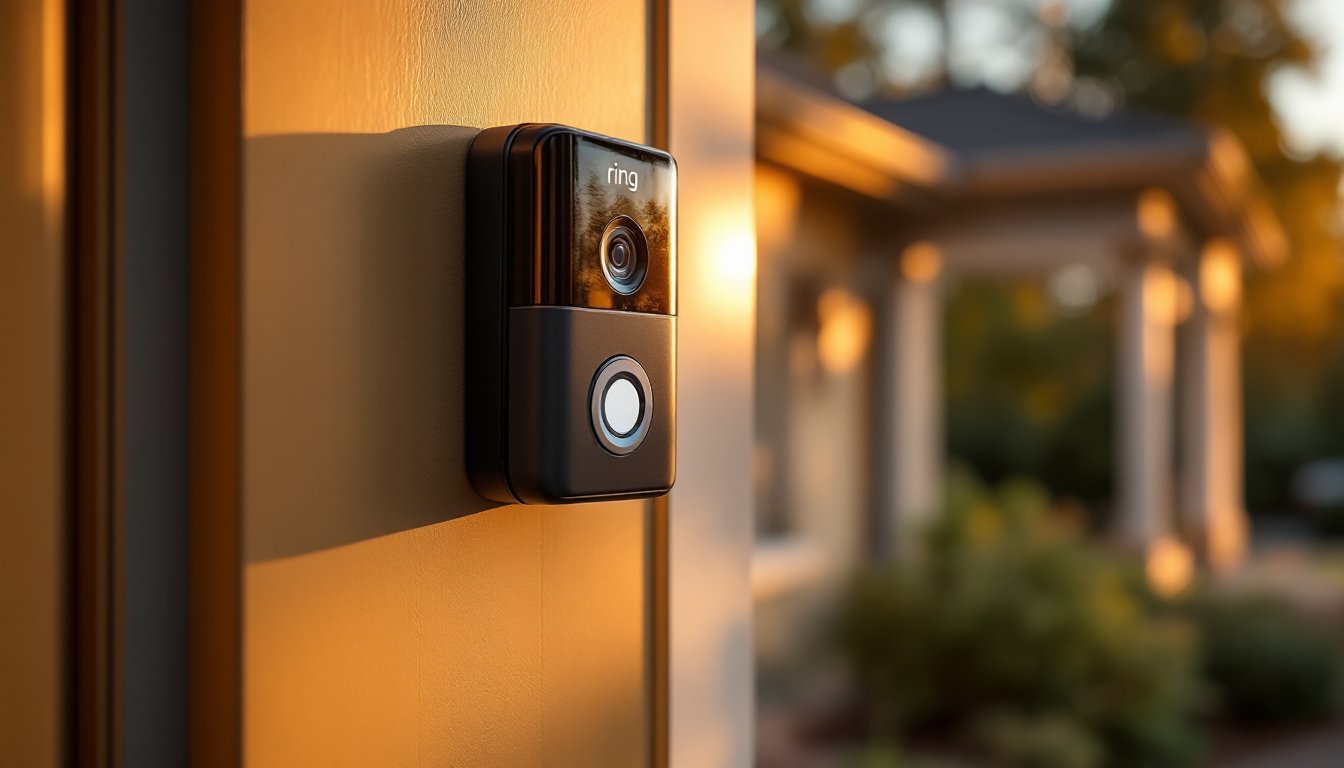
Your Ring doorbell went offline, and now you’re missing deliveries and visitor alerts. WiFi disconnections happen for a handful of reasons, a router restart, a network password change, or simple signal dropout at the door. The good news: reconnecting your Ring doorbell to WiFi is straightforward and takes just a few minutes. Unlike hiring a professional, this is a genuine DIY fix that any homeowner can handle. This guide walks you through exactly what to do, from checking your network to using the Ring app to restore that connection.
Table of Contents
ToggleKey Takeaways
- Reconnecting a Ring doorbell to WiFi is a straightforward DIY process using the Ring app that takes just a few minutes and requires no professional help.
- Ring doorbells only support 2.4 GHz networks and need signal strength above –67 dBm to maintain a stable connection, so verify your network band and signal strength before reconnecting.
- To reconnect your Ring doorbell, open the Ring app, navigate to Device Settings > WiFi Settings > Change WiFi Network, select your 2.4 GHz network, and enter your password carefully since it’s case-sensitive.
- Common WiFi disconnection causes include router restarts, password changes, weak signal strength, interference from devices like microwaves, and automatic firmware updates.
- If reconnection fails, power-cycle your doorbell for 30 seconds, ensure your 2.4 GHz network is enabled, check for interference, and consider upgrading to a mesh WiFi system or powered extender for better coverage.
- Prevent future WiFi dropouts by positioning your router near the front door, keeping your WiFi password updated across all devices, restarting your router monthly, and allowing firmware updates to install.
Why Your Ring Doorbell Loses WiFi Connection
Ring doorbells lose WiFi connectivity for several common reasons. Your router may have restarted or temporarily dropped the network. A password change on your WiFi network will kick the doorbell offline unless you re-enter the new credentials. Signal strength can also be a culprit, if your doorbell is too far from your router or blocked by metal siding, thick walls, or interference from other 2.4 GHz devices (microwaves, baby monitors, older cordless phones), the signal weakens until the connection drops.
Sometimes the Ring device’s firmware updates automatically, and during that process it temporarily disconnects. Other times, your internet service provider performs maintenance, causing a brief outage. Seasonal issues matter too: high temperatures in attics or direct sun exposure can cause the device to throttle or reset. Most often, it’s not hardware failure, it’s a connectivity hiccup that a simple reconnection fixes.
Check Your WiFi Network Before Reconnecting
Before diving into the Ring app, confirm your WiFi is working properly. Walk to your front door with a smartphone or tablet and open a webpage or load an app, if your device connects and loads content, your network is up. If not, restart your router by unplugging it for 30 seconds, waiting for all lights to stabilize, then powering it back on.
Verify Network Availability And Strength
Open your smartphone’s WiFi settings and look for your network name (SSID). If it appears in the available networks list, it’s broadcasting correctly. Connect to it and check signal strength, most phones show signal bars or a dBm reading. Ring doorbells work best with signal strength above –67 dBm (shown as 3+ bars on most devices). If your signal is weaker, consider moving your router closer to the front door, or use a WiFi extender to boost coverage.
Check that you’re using the 2.4 GHz band, not 5 GHz. Ring doorbells do not support 5 GHz: they only work on 2.4 GHz. If your router broadcasts a combined network (2.4 GHz and 5 GHz on the same SSID), separate them in your router settings and connect the doorbell to the 2.4 GHz network. Confirm your network password is correct, if you changed it recently, that’s why the doorbell dropped offline. Have that password handy: you’ll need it during reconnection.
How To Reconnect Your Ring Doorbell Using The Ring App
The Ring mobile app is your hub for managing all Ring devices. Download it from the Apple App Store or Google Play if you haven’t already, and log in with your Ring account credentials. The app guides you through reconnection step-by-step and is far simpler than any manual reset.
Step-By-Step Reconnection Process
-
Open the Ring app and tap the menu icon (three horizontal lines) in the top left corner.
-
Select “Devices” from the menu, then tap your Ring doorbell from the list. It should appear even if it’s currently offline.
-
Tap “Device Settings,” then scroll down and select “WiFi Settings.”
-
Tap “Change WiFi Network.” The app will prompt you to confirm that your doorbell is powered on. Make sure the Ring doorbell is receiving power (check the transformer or battery status in the Device Health section).
-
Follow the on-screen prompts. The app will search for your doorbell’s setup mode signal. This typically takes 30–60 seconds. If it doesn’t find the device, restart the doorbell by turning off its power for 30 seconds, then turn it back on.
-
Select your WiFi network from the list of available networks. Choose your 2.4 GHz network name (SSID).
-
Enter your WiFi password carefully. Passwords are case-sensitive, so double-check uppercase and lowercase letters. If you make a mistake, the doorbell won’t connect.
-
Wait for confirmation. The app will attempt to connect the doorbell. This typically takes 1–2 minutes. You’ll see a success message once the doorbell is back online.
If the app can’t find your doorbell during setup, restart both your doorbell and router. Make sure your smartphone is connected to the same WiFi network. The doorbell needs to be within range of your router during reconnection, don’t try this from a distance.
Troubleshooting Common WiFi Connection Issues
If reconnection doesn’t work on the first try, don’t panic. Most issues are solvable without a factory reset.
Doorbell not appearing in the app: Power-cycle the doorbell by switching off its breaker or unplugging the transformer for 30 seconds. Turn it back on and wait 2 minutes for it to boot. Then re-launch the Ring app and retry.
“Incorrect password” error: Ring passwords are case-sensitive and spaces matter. Re-enter your WiFi password character by character, or copy it from a device that’s already connected. If you’re unsure, check your router’s admin panel (usually at 192.168.1.1 on your computer browser) and confirm the network name and password.
“Unable to connect” after password entry: Your 2.4 GHz network may be overloaded or experiencing interference. Check your router settings and confirm 2.4 GHz is enabled. Move your router away from microwave ovens, cordless phones, or baby monitors. Consider switching your WiFi channel from the default (usually 6 or 11) to a less congested channel, smart home tech sites like Digital Trends offer detailed guides on WiFi optimization.
Doorbell connects briefly, then drops: This suggests weak signal strength. Move your router closer to the front door, or install a mesh WiFi system for better coverage. Alternatively, use a powered WiFi extender (not a passive repeater) positioned between your router and doorbell.
Still offline after reconnection: Restart your Ring device one more time by flipping the breaker for 60 seconds. If it remains offline, check the Device Health section in the Ring app: it may indicate a hardware issue. Contact Ring support if the doorbell is still under warranty, they can assist with hardware troubleshooting or replacement.
Prevent Future WiFi Disconnections
Once your Ring doorbell is back online, a few preventative steps reduce the chance of future dropouts.
Position your router strategically. The closer it is to your front door, the stronger the signal. If that’s not feasible, use a WiFi extender or mesh network to ensure consistent 2.4 GHz coverage.
Keep your WiFi password secure but accessible. Write it down in a safe spot (not a sticky note on the router). When you change your password, update all your smart home devices immediately, Ring doorbell, smart speakers, and thermostats all need the new credentials.
Monitor router health. Restart your router every month or two. Unplug it for 30 seconds to clear temporary memory, then power it back on. This keeps your network running smoothly and reduces unexpected disconnections.
Check firmware updates. The Ring app notifies you when your doorbell needs a firmware update. Allow these updates to install overnight when the device is less likely to be interrupted. Firmware fixes bugs and improves WiFi stability.
Avoid network congestion. If you’re running bandwidth-heavy activities (streaming 4K video, downloading large files) on your WiFi, your Ring doorbell may struggle. Limit simultaneous heavy use, or upgrade to a router with better 2.4 GHz performance. Resources like Tom’s Guide review smart home hardware and network setups that work well together.