
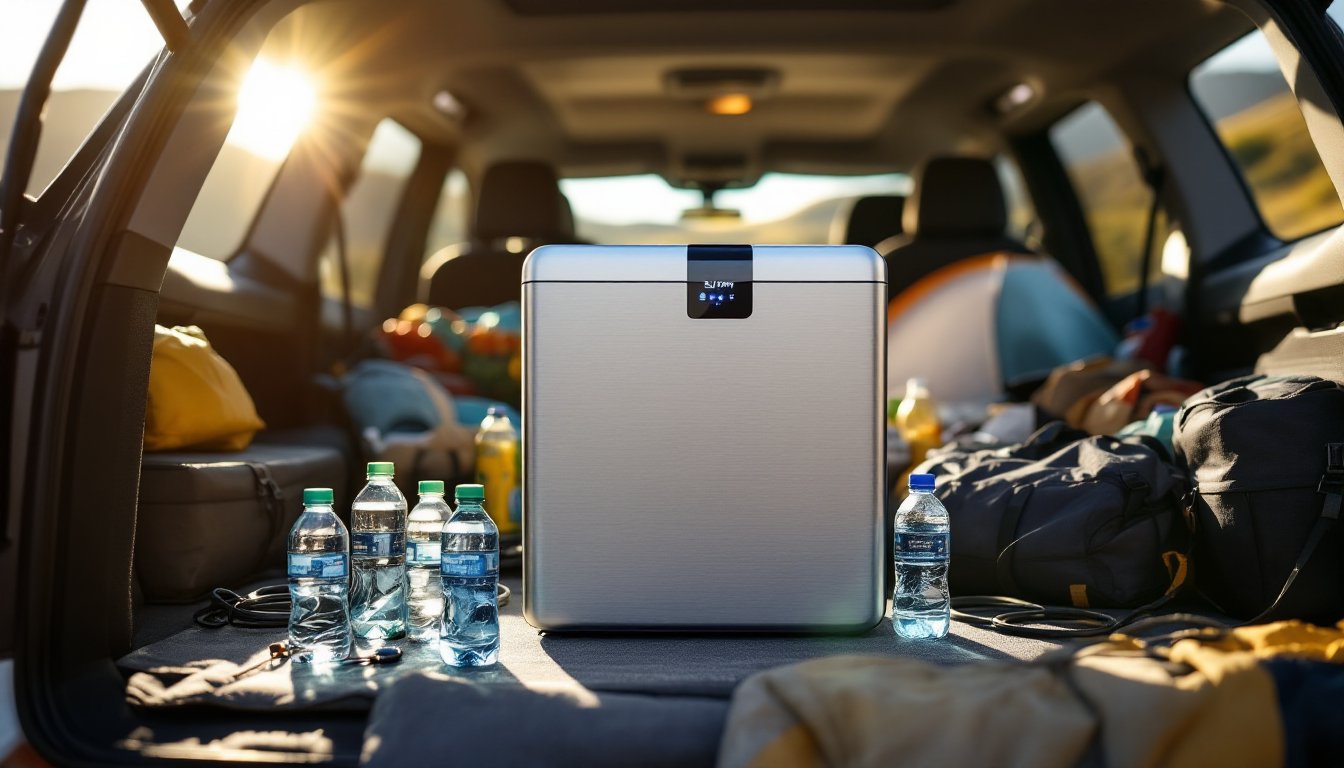
A portable refrigerator transforms road trips, camping adventures, and backyard entertaining from logistical headaches into genuine enjoyment. The Euhomy car refrigerator delivers reliable, efficient cooling without the mess of melting ice, making it a smart investment for homeowners and adventure seekers alike. Whether you’re stocking beverages for a tailgate party, preserving meal prep during a cross-country drive, or keeping medications cool while traveling, a quality car fridge handles the job with minimal fuss. Unlike traditional coolers, the Euhomy model runs on 12-volt DC power and optional AC current, adapting to your lifestyle rather than forcing you to work around its limitations. This guide walks you through what makes the Euhomy stand out, how to set it up properly, and the real-world situations where it becomes indispensable.
Table of Contents
ToggleKey Takeaways
- The Euhomy car refrigerator uses compressor-driven active refrigeration instead of ice, maintaining consistent temperatures between 32°F and 50°F without requiring constant maintenance or water disposal.
- Proper installation requires 4 inches of clearance on sides and back, an upright position, and allowing 4–6 hours acclimatization time before powering on to protect the compressor.
- The Euhomy car refrigerator operates on three flexible power sources—12V DC vehicle power, 110V AC home outlets, and optional battery packs—with minimal energy draw of 70–90 watts average.
- Maintenance is simple and infrequent: quarterly interior cleaning, occasional door gasket inspection, and annual power connection checks ensure years of reliable service.
- Beyond road trips, homeowners use this portable fridge for tailgate parties, garage beverage stations, medication storage, camping, and RV travel—making it a versatile cooling investment.
- Unlike traditional coolers, an Euhomy refrigerator eliminates soggy groceries and ice management while drawing only 5–10 amps at 12V, leaving your vehicle’s electrical system unstressed.
What Is A Euhomy Car Refrigerator?
A Euhomy car refrigerator is a portable cooling unit designed to operate in vehicles, RVs, boats, and off-grid settings. Unlike passive coolers that rely on ice, it uses active refrigeration, a compressor-driven system similar to a standard kitchen fridge, to maintain consistent temperatures, typically between 32°F and 50°F (0°C to 10°C) depending on the model and ambient conditions.
These units come in various capacities, most commonly 12-volt DC models ranging from 15 to 50 liters. The 15.5 cubic foot model is particularly popular among homeowners who need serious cooling capacity without running a full-size appliance. Euhomy refrigerators pull power directly from a vehicle’s cigarette lighter socket, auxiliary power outlet, or a dedicated 12V battery connection, so you’re not draining your car’s main electrical system beyond reason.
What separates a car fridge from a basic cooler? Consistency. Your food and drinks stay at your chosen temperature without babysitting ice levels or dealing with soggy groceries. The compressor runs only when needed, cycling on and off to maintain the set temperature. This efficiency means a full charge can run the unit for extended periods, depending on your power source and whether you’re using 12V or 110V AC operation.
Key Features And Specifications
Euhomy car refrigerators pack several practical features that matter in real use. Most models include a removable basket or shelf system for organizing smaller items, making it easier to find that one cold drink without rearranging everything. The digital thermostat display shows your current temperature setting and the actual internal temperature, so you know whether your unit is working or if something’s amiss.
Compressor-driven cooling achieves lower temperatures faster than thermoelectric alternatives, though it does generate slightly more noise. The system typically cools down 10°C below ambient temperature, meaning if it’s 80°F outside, your fridge can reach approximately 50°F, plenty cold for beverages and food storage.
Capacity ranges are worth understanding. A 15-liter model (about 4 gallons) suits couples or small families: a 30-liter model works for small groups or weekend trips: the 50-liter option handles serious entertaining or longer road trips. According to testing from Good Housekeeping’s car fridge reviews, the Euhomy 15.5 cubic foot model ranks among the top choices for reliability and cooling performance.
Durability features include rubber gaskets to seal the door and prevent cold air loss, a weather-resistant exterior rated for sunlight and moisture exposure, and usually a 2-year warranty. Many models also include a 12V car charger and optional AC adapter, so you switch between vehicle power and home outlet operation seamlessly. Battery drain on a running car is minimal, typically 5 to 10 amps at 12V, which your alternator handles without stress.
Installation And Setup Guide
Getting your Euhomy car refrigerator running properly means handling a few basics upfront. Don’t rush this, sloppy installation is where most owners stumble.
Pre-Installation Checklist:
- Inspect the unit for damage. Check the door seal, plug connections, and interior for any cracks or debris. If the unit was transported cold, let it sit at room temperature for 4 to 6 hours before powering on. This allows internal moisture and pressure differentials to equalize, skipping this step can damage the compressor.
- Choose your mounting location. In a vehicle, position the fridge on a secure, level surface, the cargo area or passenger seat are typical spots. Avoid placing it where it might tip during hard braking or sharp turns.
- Ensure proper ventilation. Leave at least 4 inches of clearance on the sides and back so heat can dissipate from the condenser coils. A poorly ventilated unit overworks the compressor and burns through power.
Power Connection:
The 12-volt car power cable plugs into your vehicle’s 12V outlet (sometimes labeled the “cigarette lighter” or “power outlet”). This connection is straightforward, just push until it clicks. For longer trips or permanent installation, consider a dedicated hardwire connection to your vehicle’s battery using an in-line fuse (typically 15 amp) for safety. This requires running cable through your vehicle’s interior, which is doable for most homeowners but demands care to avoid pinching wires or creating shorts.
Power Options And Energy Efficiency
Most Euhomy models operate on three power sources: 12V DC from your vehicle, 110V AC from a home outlet, or an optional battery pack. Switching between them is as simple as unplugging one cable and plugging in another, no recalibration needed.
12V DC performance is your go-to for road trips. Running time depends on your vehicle’s battery capacity and alternator output. A typical car’s 12V system can support continuous operation, though very long stationary parking (engine off) drains your battery over 8 to 12 hours. Solution: run the vehicle periodically or use a portable power station.
110V AC operation is perfect for campgrounds, tailgate setups, or garage storage between trips. Plug it into any standard outlet and forget about battery drain, your power bill inches up negligibly (these units draw roughly 100 to 150 watts continuously).
Energy efficiency is a real advantage over passive coolers. Unlike a traditional cooler requiring constant ice replenishment, and the water disposal and spoilage risks that come with it, a car fridge uses electricity only to maintain your set temperature. Real-world efficiency ranges from 70 to 90 watts average draw, making multi-day road trips economical even on modest vehicle power systems. Portable fridge reviews consistently highlight energy efficiency as a standout feature in the Euhomy lineup compared to competing compressor-based models.
Maintenance And Care Tips
A Euhomy refrigerator requires minimal upkeep, but a little regular attention keeps it running smoothly for years.
Regular Cleaning:
Wipe down the interior quarterly with a soft, damp cloth. Remove the basket and clean beneath it, crumbs and spills accumulate and can clog drainage ports. Use mild soap and water: avoid harsh chemicals that might damage seals. Dry everything thoroughly before restocking.
Exterior and Seals:
Inspect the door gasket (rubber seal) every few months. It should feel pliable and have no visible cracks or gaps. If it stiffens or tears, replacement gasket kits are inexpensive and available online. Wipe the exterior with a damp cloth to remove dust buildup, especially around the ventilation areas and condenser coils on the back.
Compressor Care:
Never tilt or shake your running refrigerator: the compressor is sensitive to sudden movement. When transporting it, keep it upright. If you must store it for months, leave the door slightly ajar so air circulates and moisture doesn’t accumulate internally. Don’t block the condenser vents on the back or sides, restricted airflow forces the compressor to work harder and shortens its lifespan.
Power Connection Maintenance:
If using a 12V hardwired connection, check the in-line fuse annually. A blown fuse means either an electrical short (have it inspected by a mechanic) or the fuse rating is too low for your system. For the car charger cable, avoid kinking it sharply and inspect the connector pins occasionally for corrosion. A light spray of electronics cleaner clears minor buildup.
Real-World Applications For Homeowners
A Euhomy car refrigerator isn’t just for road warriors. Homeowners put them to work in surprisingly practical ways.
Tailgate Parties and Outdoor Events:
Staging beverages and perishables outside your home’s kitchen is a pain without a cooler. A car fridge lets you keep drinks cold and food safe for hours without running back inside or managing melting ice. Plug it into a generator or use a portable power station in your driveway. The Kitchn’s kitchen appliance guides highlight small-space cooling solutions, and a portable car fridge doubles as a decor-friendly alternative to a traditional cooler.
Garage Beverage Station:
Some homeowners install a Euhomy in the garage workshop as a second fridge for drinks and snacks during long projects. It frees up kitchen space and keeps refreshments within arm’s reach of the workbench. Run it on 110V AC from a standard outlet, no vehicle needed.
RV and Vacation Home Use:
If you rent a cabin or have a seasonal property without full-size appliances, a portable car fridge supplements storage temporarily. Load it in your vehicle, keep it running on 12V during travel, then plug into AC power when you arrive.
Medication and Insulin Storage:
Homeowners managing temperature-sensitive medications appreciate the precision cooling. A car fridge maintains the 36°F to 46°F (2°C to 8°C) range some medications require, crucial if you’re traveling or experiencing a power outage at home.
Camping and Off-Grid Living:
When paired with a portable power station or solar battery setup, a Euhomy fridge brings modern convenience to remote trips without the environmental cost of constantly buying ice.
Conclusion
The Euhomy car refrigerator delivers real cooling power without the hassle of ice, melted water, and spoilage. It’s a smart buy for homeowners who entertain, travel regularly, or need reliable portable cold storage. Setup is straightforward, maintenance is minimal, and the flexibility to run on 12V or AC power makes it work in nearly any situation. Whether your plan involves weekend road trips, backyard gatherings, or workshop refreshments, a quality car fridge pays for itself through convenience and reliability alone.