If you’ve noticed dust settling faster than usual, or you’re concerned about allergens and airborne particles in your home, a hospital grade air purifier might be the solution you’re looking for. Unlike standard household air purifiers, hospital grade models are engineered to meet rigorous medical standards and capture a much higher percentage of contaminants. Homeowners dealing with allergies, asthma, pet dander, or simply wanting cleaner air are increasingly turning to these robust units. This guide breaks down what makes these purifiers different, which filtration technologies actually work, and how to choose the right one for your space.
Table of Contents
ToggleKey Takeaways
- A hospital grade air purifier captures 99.97% of particles 0.3 microns or larger, significantly outperforming standard units that remove only 85–95% of particles.
- True HEPA filters are essential to hospital grade air purifier effectiveness; look for third-party certification labels and avoid misleading “HEPA-type” or “HEPA-like” claims.
- Proper sizing using CADR (Clean Air Delivery Rate) and strategic placement with 1–2 feet of clearance on all sides ensures your purifier operates at maximum efficiency.
- Activated carbon layers in a hospital grade model trap odors and volatile organic compounds that HEPA filters alone cannot remove.
- Regular maintenance—replacing HEPA filters every 6–12 months and pre-filters every 2–3 months—is critical to maintaining your purifier’s performance and preventing wasted energy and effectiveness.
What Makes A Hospital Grade Air Purifier Different
Hospital grade air purifiers aren’t just prettier or more expensive versions of standard units, they’re built to fundamentally different performance standards. These purifiers are designed to remove airborne contaminants at the level required in surgical suites, isolation rooms, and clinical environments where air quality directly impacts health outcomes.
The key difference lies in filtration efficiency and air changes per hour (ACH). A hospital grade purifier typically captures 99.97% of particles 0.3 microns or larger, compared to standard units that might remove 85-95% of larger particles. This matters because the smallest particles, virus carriers, fine dust, and smoke, are hardest to trap but most damaging to respiratory health.
Hospital grade models also maintain higher air exchange rates. Medical facilities require 12 to 25 ACH depending on the space, meaning the entire room’s air passes through the filter multiple times per hour. Residential hospital grade units typically achieve 4 to 8 ACH in a standard bedroom, far exceeding what budget air purifiers can accomplish.
Another distinction: certification. Legitimate hospital grade purifiers carry certifications from organizations like the Association of Surgical Technologists (AST) or meet NSF/ANSI standards. They’re tested and verified, not just marketed with unsubstantiated claims. When shopping, look for third-party lab results and certification numbers, not just marketing language.
Key Filtration Technologies To Look For
HEPA Filters And Beyond
True HEPA (High-Efficiency Particulate Air) filters are the backbone of any credible hospital grade air purifier. A true HEPA filter, not a “HEPA-type” or “HEPA-like” filter, must remove at least 99.97% of particles 0.3 microns in size. That specificity matters: 0.3 microns is the most difficult size for mechanical filtration to capture, so meeting that standard means everything larger is caught too.
When you’re comparing models, verify the filter specifications. A genuine HEPA filter has a label indicating it meets the standard. Budget air purifiers sometimes use filters that capture 99% of larger particles but fall short on the tiny ones. The price difference between true HEPA and pretenders isn’t huge, but the performance gap is substantial.
Beyond HEPA, look for pre-filters. A good pre-filter catches larger debris, pet hair, dust bunnies, lint, before air reaches the HEPA layer. This extends HEPA life and keeps your unit running efficiently longer. Some advanced models add electrostatic pre-filters or mesh screens as the first stage.
Activated Carbon And Odor Control
If you’re dealing with cooking odors, pet smells, or off-gassing from new furniture, activated carbon is essential. Hospital grade purifiers worth the investment include activated carbon layers that trap gases and volatile organic compounds (VOCs) that HEPA filters alone can’t remove.
Activated carbon is porous at the molecular level, creating surface area to absorb odor-causing molecules. A quality hospital grade unit uses several pounds of activated carbon, not the thin layer you’ll find in basic purifiers. Check the filter weight and material composition in the spec sheet.
Some premium models use multiple carbon stages or add ingredients like potassium iodide to neutralize specific odors more aggressively. This matters if you have strong cooking odors or live in an area with poor outdoor air quality affecting your home. Plain HEPA alone won’t solve odor problems: you need the carbon stage working alongside it.
Sizing And Placement Essentials For Your Home
Buying a hospital grade air purifier without properly sizing it for your space is like installing a bathroom fan in a garage, it won’t work well. Air purifier capacity is measured in CADR (Clean Air Delivery Rate), which tells you how many cubic feet per minute the unit cleans effectively.
To find the right size, measure your room in square feet. Most manufacturers recommend one air change every 15 to 30 minutes for residential use. If your bedroom is 200 square feet with 8-foot ceilings, that’s 1,600 cubic feet of air. A CADR of 100-150 will refresh that space every 12-16 minutes, which is solid for allergy sufferers. Hospital grade units typically have CADRs ranging from 200 to 600 or higher, so they work for larger spaces or whole-home systems.
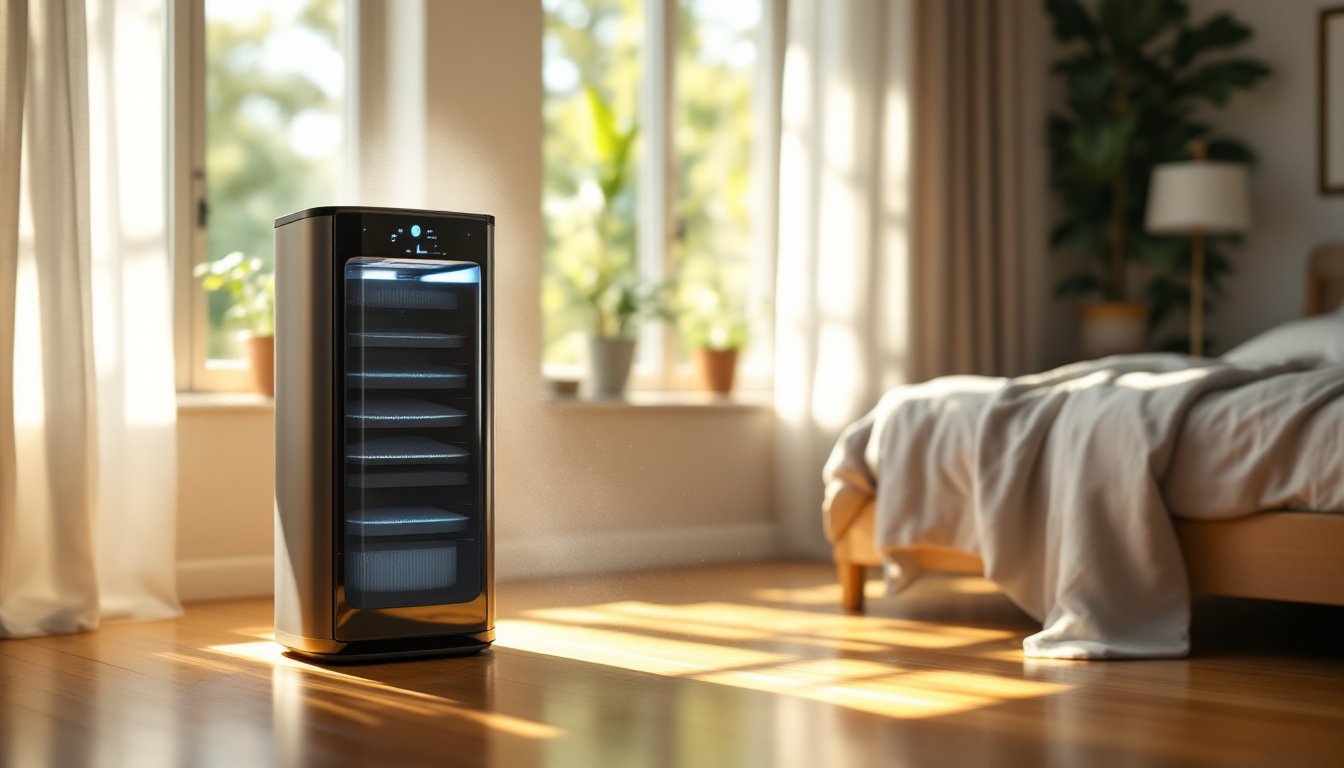
Placement is equally critical. Position your purifier in the main living area where you spend the most time, usually a bedroom or the center of a main living space. Avoid corners or near walls, which restrict air intake and circulation. The unit needs 1-2 feet of clearance on all sides for optimal airflow. If it’s fighting furniture or tight spaces, you’re wasting capacity and effectiveness.
Running your purifier constantly won’t hurt, but you don’t always need it at full speed. Hospital grade models often have multiple fan speeds and quiet modes. Running at medium speed during the day and high speed at night (or when air quality is poor) balances noise, energy use, and air cleaning. Some units now include air quality sensors that adjust speed automatically, a nice feature that prevents guesswork.
Maintenance Tips To Keep Your Purifier Running Efficiently
A hospital grade air purifier is an investment, and like any equipment, it needs regular maintenance to perform at its rated level. Skipping maintenance is the fastest way to waste money and end up with a quiet, expensive paperweight.
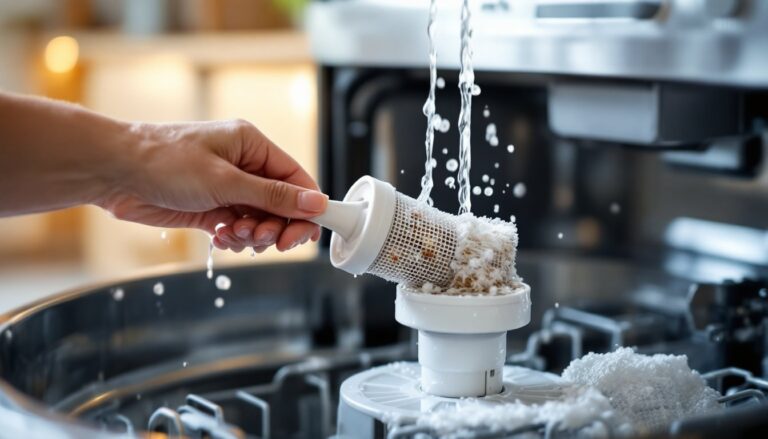
Filter replacement is job one. Most true HEPA filters last 6 to 12 months depending on air quality in your region and how often you run the unit. Pre-filters may need changing every 2-3 months if you have pets or live in a dusty area. Check the manufacturer’s guidance, but mark your calendar. Running a clogged filter defeats the entire purpose, your unit works harder, uses more energy, and cleans less effectively.
Before replacing the main filter, inspect the pre-filter and housing. Dust buildup on the exterior doesn’t hurt performance, but a clogged pre-filter does. Some pre-filters are washable: others need replacement. Your manual will specify. Never bypass or skip pre-filters to extend HEPA life, that’s false economy.
Activated carbon filters degrade over time as they absorb odors and VOCs. Unlike HEPA, you can’t “see” when carbon is spent, so follow the replacement schedule strictly. Spent carbon stops absorbing odors but the HEPA layer still works, which is why people sometimes think their purifier stopped working when it actually just lost odor control.
Keep the unit in a dust-free environment when possible. Running it in a basement where drywall dust or construction debris is present will clog filters much faster. If you’re doing renovations, either relocate the purifier or accept shorter filter life as a cost of the work. Store replacement filters in their original packaging away from moisture and direct sunlight.
Conclusion
A hospital grade air purifier is a legitimate tool for improving indoor air quality, especially if you’re dealing with allergies, asthma, or live in an area with poor outdoor air quality. The key is matching the right unit to your space, understanding what filtration technologies actually do, and committing to maintenance. Cheap purifiers with impressive-sounding claims rarely deliver. True hospital grade models, backed by certifications and tested performance, cost more upfront but actually clean the air they promise. Measure your space, check the CADR rating, verify the HEPA certification, and replace filters on schedule, then you’ll breathe easier knowing you made a real difference.