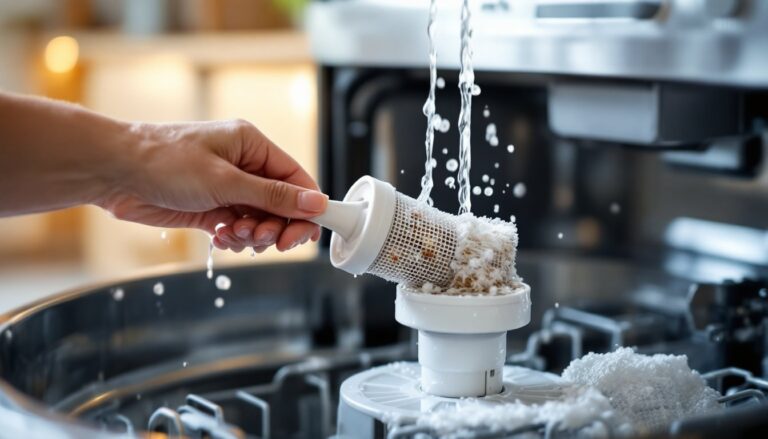

If you’re standing in a kitchen appliance aisle trying to decide between a KitchenAid stand mixer and a food processor, you’re not alone. Both tools promise to save time and muscle, but they handle different jobs in fundamentally different ways. A stand mixer excels at repetitive mixing, kneading, and whipping, think bread dough and cake batters. A food processor chops, grinds, and purees with speed and precision. The real question isn’t which one is “better”: it’s which one fits your cooking style and kitchen space. This guide breaks down what each appliance does best, so you can make an informed choice, or decide if your kitchen has room for both.
Table of Contents
ToggleKey Takeaways
- A KitchenAid stand mixer uses planetary motion for sustained mixing, kneading, and whipping tasks, while a food processor relies on high-speed blade rotation for rapid chopping, grinding, and pureeing—making them fundamentally different tools suited for different cooking jobs.
- Stand mixers excel at bread doughs, cream-based recipes, and whipped goods with hands-off operation and consistent results, while food processors deliver speed and precision for vegetable prep, grinding nuts, and pulsed control over texture.
- A food processor attachment for a KitchenAid mixer can supplement light chopping tasks but is slower and less powerful than a dedicated food processor, so it shouldn’t replace a standalone unit if you chop vegetables regularly.
- Prioritize your first purchase based on actual cooking habits: frequent bakers should choose a stand mixer, while vegetable-forward cooks should start with a food processor to maximize time and kitchen space.
- Many home cooks eventually own both appliances because they rarely overlap in function and address different meal prep needs, but starting with the one that matches your primary cooking style ensures the best return on investment.
Understanding the Core Differences Between These Two Workhorses
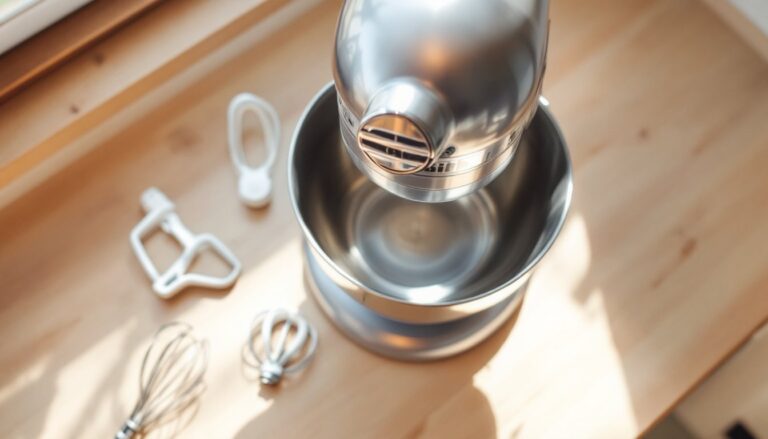
A KitchenAid stand mixer and a food processor are built on entirely different mechanics, which is why they’re not interchangeable. The stand mixer uses a rotating bowl with a fixed attachment (a flat paddle, dough hook, or whip) that moves in a planetary motion, spinning around the bowl while also rotating on its own axis. This slow, steady action is designed to knead dough, cream butter and sugar, or whip egg whites to stiff peaks without overworking them.
A food processor, by contrast, uses a sharp blade spinning at high speed inside a stationary bowl. The blade chops, slices, and purees by sheer velocity and blade design. There’s no slow creaming or gentle folding, it’s all about rapid, controlled cutting and mixing. They’re two completely different philosophies for food prep, which means each one handles certain tasks far better than the other.
What a Stand Mixer Does Best
Mixing, Kneading, and Whipping Tasks
A stand mixer shines when you’re making anything that requires sustained, controlled mixing over several minutes. Bread doughs benefit from the kneading action, the dough hook’s slow rotation develops gluten structure without heating the dough or overworking it. You can walk away and let the machine do the work for 8–10 minutes while you prep other ingredients.
Cream-based recipes (cookies, cakes, frostings) also prefer a stand mixer. The paddle attachment creams cold butter and sugar together gradually, incorporating tiny air pockets that give cakes a light crumb. Try doing this by hand or with a hand mixer, and you’ll spend 5 minutes of elbow grease for a job a stand mixer handles in 2 minutes with better results.
When it comes to whipping, the whip attachment excels. Beating egg whites to stiff peaks or whipping heavy cream to soft or stiff peaks is faster and more reliable on a stand mixer than with any hand tool. The bowl is large enough that splashing is minimal, and you’re not fighting hand fatigue halfway through.
The mixer’s main advantage is consistency and hands-off operation. Once everything is in the bowl, you set the speed and timer, then move on to other prep work. Most stand mixers offer variable speeds (usually 1–8), so you can start slow to incorporate dry ingredients, then increase speed for mixing or whipping.
What a Food Processor Excels At
Chopping, Grinding, and Pulsing Applications
A food processor is the speed champion for raw vegetable prep and chunky, textured results. Need to mince an onion? A quick 3–4 pulse bursts on a food processor gives you evenly chopped pieces in 10 seconds flat. Dicing bell peppers, shredding carrots, or chopping herbs happen faster and more uniformly than by hand, and your fingers stay intact.
Grinding is another strength. A food processor pulverizes nuts into nut butters, grinds raw meat for hamburger or sausage, and turns stale bread into fine breadcrumbs. If you have a kitchenaid mixer food processor attachment, you can achieve some of these results, but dedicated food processors handle grinding tasks more aggressively and with less risk of overworking. A food processor attachment for kitchenaid mixer adds versatility, but it won’t match the speed or power of a standalone unit for heavy grinding work.
Pulsing control is crucial here. Unlike a mixer, which runs continuously at a set speed, a food processor’s pulse button lets you make one or two cuts, stop, check progress, then pulse again. This gives you granular control over texture, you can go from chunky to fine in half-second increments. Try that with a mixer, and you’ll either under-process or over-process because you can’t easily interrupt the cycle.
Food processors also excel at wet tasks like making salsa, pesto, or hummus. The high-speed blade handles moisture without stalling, and you can achieve anything from chunky to smooth without overheating or oxidizing the ingredients as much as extended hand-mixing would.
Do You Really Need Both?
That depends on your cooking habits and kitchen space. If you bake frequently, bread, cookies, cakes, a stand mixer pays for itself in time and consistency. If you cook fresh vegetables daily and rely on quick prep, a food processor is essential. Many home cooks keep both because they genuinely don’t overlap much.
But, if space or budget is tight, prioritize based on what you cook most. A baker should choose the stand mixer first: a vegetable-forward cook should start with a food processor. If you already own a stand mixer and want to expand its capabilities, a kitchenaid mixer food processor attachment might seem appealing. These attachments do work, but they’re slower and less powerful than a dedicated food processor. Reviews from sources like Good Housekeeping’s food processor testing show that standalone units consistently outperform attachments for grinding and chopping tasks, particularly with tough ingredients.
The practical reality is this: a stand mixer is a precision tool for dough and whipped goods. A food processor is a speed tool for chopping and grinding. If you use both types of cooking, both appliances earn their counter space. If you do mostly one or the other, choose accordingly. A food processor attachment for kitchenaid mixer can supplement an existing stand mixer for light chopping tasks, but it shouldn’t be your primary food processor if you chop vegetables regularly.
Consider your actual usage patterns. Did you use that hand mixer more than twice in the last year? Then a stand mixer might collect dust. Do you spend 15 minutes a night mincing and dicing? Then a food processor is a genuine time-saver. Kitchen design and organization strategies from home experts emphasize matching appliance purchases to your real cooking routine, not your imagined one.
Budget-conscious cooks often buy one, use it for three months, and then add the other when they realize the first one solved only half their problem. That’s not a failure, it’s how most kitchens evolve.
Conclusion
A KitchenAid stand mixer and a food processor serve distinct purposes in the kitchen. The mixer handles dough, whipping, and sustained mixing tasks with precision and consistency. The food processor delivers speed for chopping, grinding, and pulsed prep work. Most serious home cooks end up using both, but your first purchase should match your actual cooking patterns. If you bake regularly, start with a mixer. If you cook fresh vegetables daily, start with a food processor. There’s no wrong choice, just the one that fits your kitchen and your cooking life.