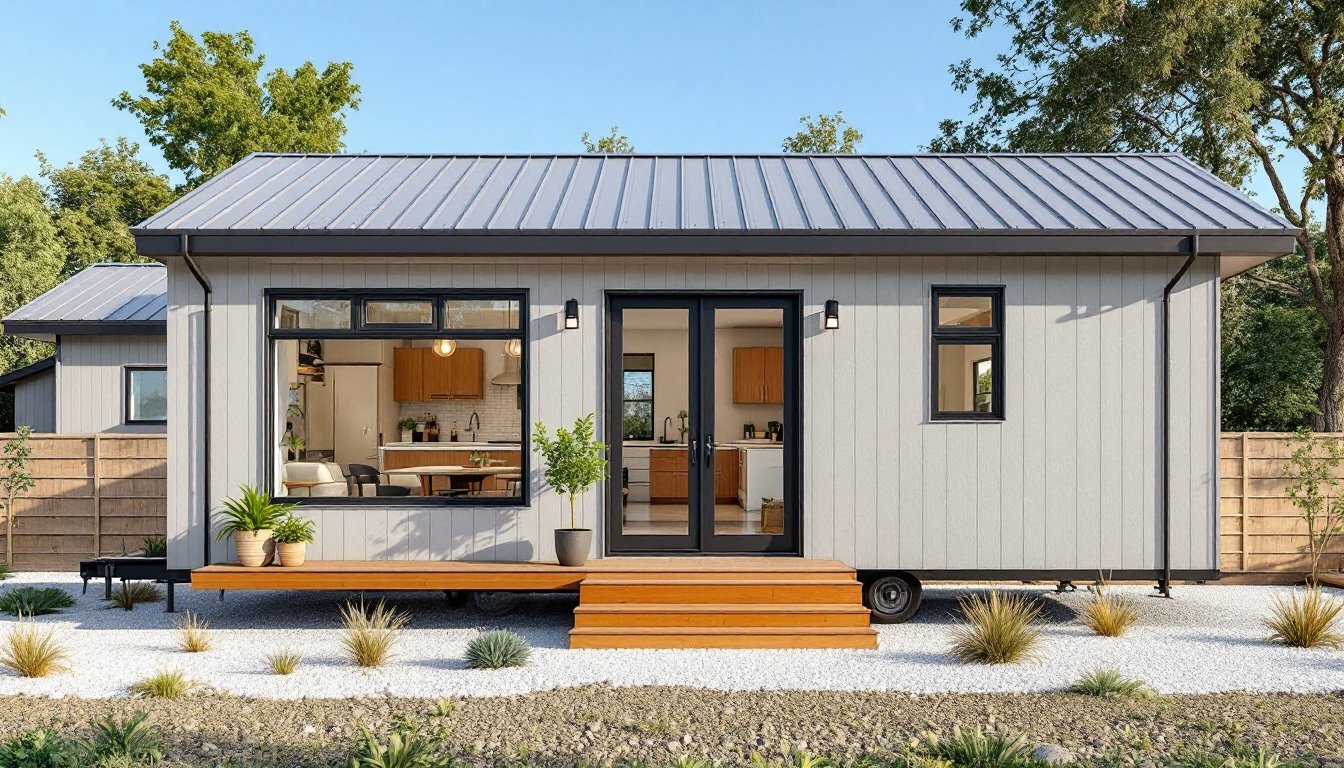
Three-bedroom tiny homes are redefining what’s possible in compact living. Whether you’re downsizing, seeking affordability, or simply tired of maintaining excess square footage, a 3 bedroom tiny home offers a realistic alternative to sprawling houses. Unlike the micro-studios often featured on social media, a 3 bedroom tiny house cost remains surprisingly accessible, typically ranging from $50,000 to $150,000 depending on materials and finishes, making homeownership more attainable. The design challenge isn’t about sacrificing comfort: it’s about rethinking how spaces function. This guide walks you through what makes a 3 bed 2 bath tiny home work, from floor plan fundamentals to storage hacks that actually fit your life.
Table of Contents
ToggleKey Takeaways
- A 3 bedroom tiny house typically costs $50,000 to $150,000 and spans 600–1,000 square feet, making homeownership more affordable than traditional houses while maintaining genuine sleeping spaces.
- Open-concept design combining kitchen, dining, and living zones is essential for making a 3 bedroom tiny home feel spacious, with vaulted ceilings and strategic lighting preventing claustrophobic feelings.
- Proper ventilation, insulation (R-15 minimum for walls, R-30+ for attics), and right-sized heating systems like ductless mini-splits are critical for comfort and preventing moisture buildup in compact spaces.
- Built-in storage solutions—including under-bed drawers, staircase compartments, and wall-mounted shelving—outperform freestanding furniture in tiny homes and maximize usable space.
- Success with a 3 bedroom tiny home requires honest assessment of your possessions, ruthless minimalism, and assigned storage zones to prevent chaos in limited square footage.
- Verify local building codes and zoning restrictions before buying or building a 3 bedroom tiny house, as some jurisdictions restrict tiny home placement on standard residential lots.
Understanding The 3 Bedroom Tiny House Design
A 3 bedroom tiny house typically spans 600–1,000 square feet, compared to the national median of 2,400 square feet for a single-family home. That’s roughly one-quarter the footprint, which means every square inch must earn its keep. The bedrooms themselves are genuine sleeping spaces, not glorified closets, usually 9-by-11 feet minimum, enough for a queen bed and a dresser without wall-to-wall furniture.
The real trick is the common areas. A 3 bedroom tiny home combines the kitchen, dining, and living zones into one flexible space rather than carving them into separate rooms. This open-plan approach feels larger than it is and lets natural light travel through the entire house. Ceilings are often vaulted or tray-designed to add visual height, a proven technique that makes 9-foot ceilings feel more generous than standard 8-foot residential spaces.
Building codes still apply, you’ll need egress windows in bedrooms (typically 5.7 square feet minimum opening), proper insulation, and electrical service rated for your load. If you’re buying a 3 bedroom tiny home or building one, verify that the design meets your local IRC (International Residential Code) requirements. Some jurisdictions restrict tiny home placement on standard lots, so zoning research upfront saves heartache later.
Material quality matters more in tiny spaces because you see and use everything more frequently. Affordable finishes that work fine in a 4,000-square-foot house become eyesores when you’re living 15 feet from them daily.
Space-Saving Floor Plans That Work
Open-Concept Living
The foundation of any functional 3 bedroom tiny house is an open kitchen-dining-living layout. This single zone typically occupies 250–350 square feet and serves triple duty: you cook, eat, and relax without moving through distinct rooms. A large island (4-by-6 feet) becomes your dining table, food prep station, and visual anchor, eliminating the need for separate furniture.
Lighting becomes critical in open-concept tiny homes. A combination of recessed ceiling fixtures (6-inch or 4-inch cans spaced 4–6 feet apart), pendant lights over the island, and task lighting near counters prevents dim corners that make small spaces feel cramped. Energy-efficient LED bulbs (3000K color temperature for warmth) keep monthly bills reasonable while maintaining pleasant ambiance.
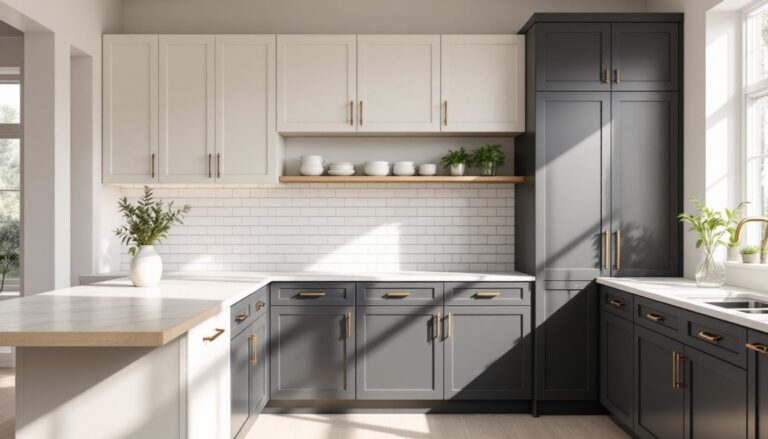
Storage solutions integrate directly into walls rather than sitting as separate pieces. Open shelving above counters, deep cabinets reaching 24 inches (standard depth) instead of shallow 15-inch medicine cabinets, and vertical wine racks or spice organizers maximize usable storage without consuming floor space.
Multi-Purpose Rooms And Flexible Layouts
One bedroom often doubles as a home office or craft space, which is where furniture becomes strategic. A bed with built-in drawers underneath (a standard captain’s bed or platform bed with storage) eliminates the need for a separate dresser. A fold-down desk mounted to the wall occupies just 18 inches of depth when stowed. Sliding barn doors instead of swing-out doors save the 3-4 feet of clearance a traditional door demands.
Approaches used in small space living ideas apply directly here: vertical shelving for books and décor, wall-mounted TVs instead of furniture-eating entertainment centers, and nesting tables that separate when guests arrive. The key is reversibility, if you move from a 3 bedroom tiny house to a larger home, your furniture shouldn’t require the home to be designed around it.
Ceiling-mounted pull-down beds (Murphy bed style) are an option if a bedroom needs daytime flexibility, though they’re expensive ($2,000–$5,000 installed) and less common in modern tiny homes since adequate bedrooms reduce the need for this trick. A better approach: a comfortable sofa bed in the office-bedroom for guests, paired with a real bed for daily sleeping.
Essential Features For Comfort And Functionality
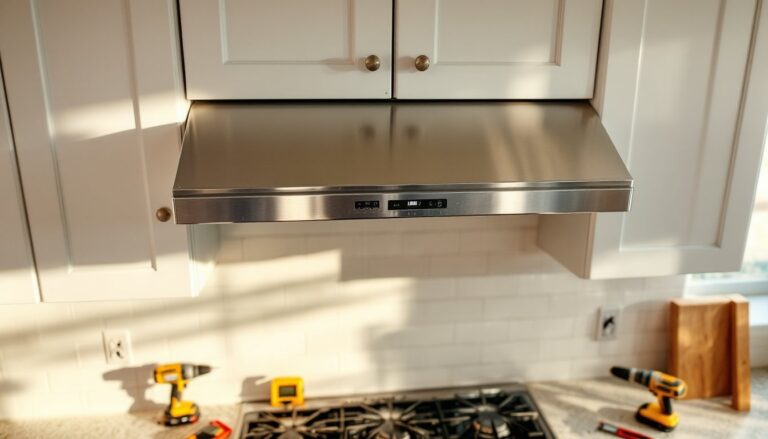
Ventilation in a 3 bedroom tiny home prevents moisture buildup and staleness that plague compact houses. A range hood over the stovetop venting outdoors (not recirculating, that’s cosmetic only) removes cooking odors. Bathroom exhaust fans (80–100 CFM minimum, sized per IRC) run for 20 minutes after showers to dry moisture before it seeps into walls and insulation. Many modern tiny homes add a whole-home ventilation system (HRV or ERV unit) that exchanges stale indoor air with fresh outdoor air while recovering heat, maintaining comfort without opening windows in winter.
Insulation and air sealing trump everything else for livability. Since you’re living in a smaller thermal mass, temperature swings are sharper. Walls should be insulated to R-15 minimum (R-19 or R-21 is standard in cold climates), and attics to R-30 or higher. Air sealing, caulking penetrations, sealing band joists, taping ductwork, prevents drafts that are far more noticeable in 800 square feet than in 2,400.
Heating and cooling systems for a 3 bedroom tiny house cost less upfront but must be right-sized. An oversized furnace or AC unit cycles on and off more frequently, wasting energy and reducing comfort. A 15,000–22,000 BTU mini-split heat pump (ductless system) is often more efficient than traditional forced-air systems and takes up minimal space. Radiant floor heating is luxurious but expensive to retrofit: stick with baseboard convection or forced-air if building from scratch.
Domestic hot water heaters should be appropriately sized, a standard 40-gallon tank covers a family of three easily: a tiny home often needs only 30–40 gallons. Tankless or on-demand systems (Rinnai, Navien, or Rheem are common) save space and reduce standby losses, though initial cost ($1,500–$2,500 installed) is higher.
Smart Storage Solutions For Tiny Homes
Storage is the difference between a 3 bedroom tiny home feeling livable and claustrophobic. Before you buy or build, assess honestly: What do you actually own? A 3 bedroom tiny house demands ruthless editing. Books, hobby equipment, seasonal décor, and clothing, these consume square footage quickly. The tiny home movement thrives on minimalism, not because it’s trendy, but because it’s necessary.
Built-in storage beats freestanding furniture in small spaces. Under-bed drawers (12–18 inches tall) hold off-season bedding or clothing. Staircase steps with hinged treads access dead space underneath. Cabinet hardware that’s soft-close (hydraulic hinges preventing slamming doors) feels premium in tight quarters where noise carries everywhere.
Closet organization follows hotel efficiency: slim wooden hangers instead of plastic bulky ones, shelf dividers keeping folded items from toppling, vacuum storage bags for seasonal clothing. A single bedroom closet (4-by-6 feet typical) holds more with rod-doubling (adding a second rod at the 4-foot mark for shorter hanging items) and hooks on the inside of the door for bags or robes.
Real Simple’s strategies for home organization tips emphasize zones: everything has a home. In a 3 bedroom tiny home, this isn’t advice, it’s survival. Without assigned places, items sprawl, and 800 square feet becomes chaos instantly. Drawer dividers, labeled bins, and a no-duplicates rule prevent accumulation that erodes livability.
Vertical storage is non-negotiable. Wall-mounted shelving above desks, open cubbies in hallways (using recessed shelving to avoid protruding), and pegboards in utility areas maximize cubic space without eating floor area. IKEA modifications and hacks, detailed at IKEA Hackers, often provide affordable solutions, stacking storage units, customizing with wood backing, or repurposing items for unexpected uses. The platform offers real examples rather than vague inspiration, making it a practical resource for space-constrained projects.
Conclusion
A 3 bedroom tiny home isn’t a compromise, it’s a deliberately designed space where your actual lifestyle fits without excess. The cost savings, lower utility bills, and simplicity appeal to many, but success depends on honest assessment and thoughtful planning. Know your building codes, invest in insulation and ventilation, and embrace smart storage before moving in. The tiny homes 3 bedroom model is gaining traction in 2026 precisely because families discover that less square footage, when designed right, means more peace of mind.